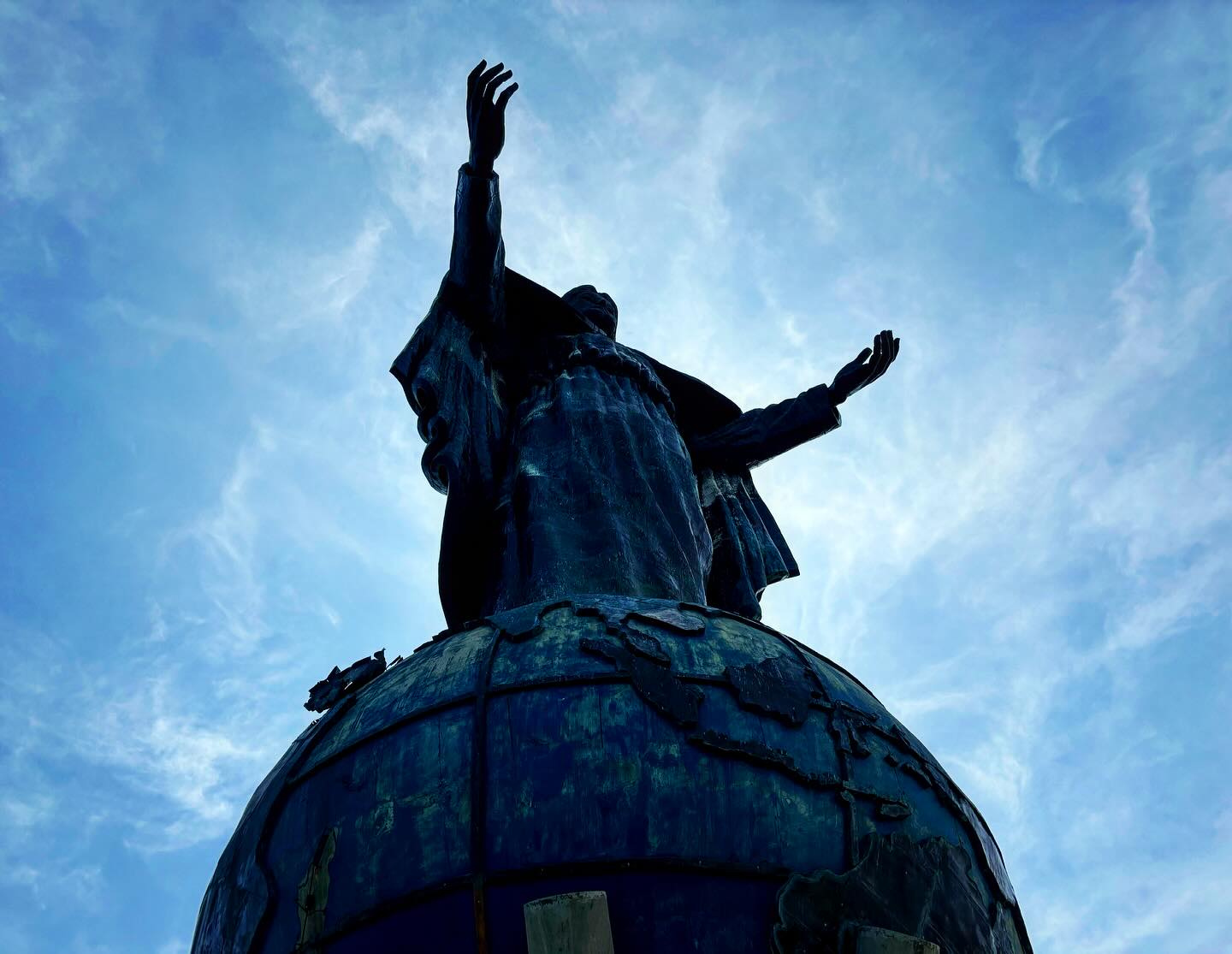
Cristo Rei is the most recognisable ‘sight’ in Timor-Leste. It stands 27m high at the end of Cape Fatucama. The Jesus statue was intended as a gift from the Indonesian government to East Timor to mark the 20th anniversary of its integration as the 27th province of Indonesia (which explains its height). Costing over 5 billion rupiah (US$559,000), it was opened in 1996, just three years before the Timorese gained independence from their Indonesian occupiers. There are 14 Stations of the Cross leading up from the huge flagpole by Cristo Rei Beach. The statue itself faces Jakarta.


Dating from 1896, the 19m high lighthouse is a landmark on the Dili waterfront. It was altered in 1932 and between 1948 and 1949, and more recently refurbished in 2003 with Japanese funding.


Taibesi Market is an experience! One of the largest markets in the country, it can feel like almost anything can be bought here. The pleasure is in getting lost, taking in the atmosphere.


The Tais Market is the place to go for high quality traditional Timorese tais and other hand woven items, wooden carvings, silver jewellery, rosary beads and other souvenir items.


Built on the site of Dili’s first airport, Nicolau Lobato Presidential Palace opened in 2009. Its construction (which cost $6m) was paid for by China as a gift to the new country of Timor-Leste. It is the official workplace of the President. It is named after a Timorese national hero, who was the first Prime Minister of Timor-Leste in 1975 for 10 days, until the Indonesians invaded. Dili’s airport is also named after him. In the early days the Palace was open to the public and offered free internet access. Now access is restricted but if you ask politely security may let you look around the grounds, which are home to a number of interesting statues, and a wonderful children’s swimming pool.


The original Government Palace was built by the Portuguese between 1874 and 1881. During WW2 it was destroyed by bombing by both the Japanese and Allied forces. The current palace was built in three stages in the 1950s and 1960s by the Portuguese, and was one of the few buildings in Dili to be swiftly repaired after the devastation of Indonesia’s departure in 1999. It is the official workplace of the Prime Minister and Constitutional Government. In front of the Palace is a monument to Prince Henry the Navigator, a key figure in the early days of the Portuguese Empire. In 2004 the Australian government bugged the Palace to gain advantage in negotiations over the distribution of oil and gas revenue from the Timor Gap between the two countries.


Uma Adat São Paulo II is a raised platform where Pope John Paul II spoke to tens of thousands of Timorese in 1989 during his visit to Timor-Leste. It is also used for political rallies as the largest open area in Dili. The open area between the platform and Tasi Tolu lakes is used by locals to practice their motorbike skills before taking their test.

Opened in 2008 to commemorate the visit of Pope John Paul II, this striking statue can be found on a small hill across the road from Dili Rock, which marks the border between Dili and Liquiçá.


Timor Plaza is the only shopping mall in Timor-Leste. Opened in 2011, there are now ten or so buildings in the complex, with shops, restaurants, the only cinema in the country, and most satisfyingly – air conditioning!


Leave a Reply to Learn about East Timor for Kids – Lesson Plans – Thrifty Gifts ShopCancel reply