Atauro Island is best known for its snorkeling and diving, but it is also a great place to hike. In March 2024 I spent five days walking a full circuit of the island, something rarely done. It was a wonderful opportunity to meet and stay with locals around Atauro and better understand their lives and the island they call home.
Atauro Island is 25km off the mainland of Timor-Leste, one of the least visited countries in the world. It is conveniently close to Dili, the capital city, and is easily accessible by boat and plane. Barry’s Place has the most up to date information on how to travel to Atauro.
Leaving Dili on a wet Saturday morning I caught the Dragon Boat, a second hand Thai river boat, now crossing the open seas to Atauro in speed but perhaps not comfort. It only took 1.5 hours though, half the time of the larger Nakroma ferry. The seas were quite rough and it was more of an endurance experience than pleasure cruise, but thankfully it smoothed once we were around the eastern side of the island. My learning for future trips is to get the normal ($10) rather than VIP tickets ($12) as it is a smoother ride sitting downstairs, and sit on the left side going out for island views. I also learnt to carefully check my food bags after finding a stowaway gecko in my bag of bread from home!


My first image of Atauro Island was of fishing boats moored off a lovely beach with thatched structures lining the shoreline.

The thatched structures belonged to the markets in Beloi, the main island hub with the ferry wharf and a number of ecolodges, though Vila to the south is the municipality capital. The Saturday markets are popular with both locals and visitors, with plenty of fish on offer, along with mattresses…


I had a tasty lunch of an unknown fish, with the strangest coloured spine I’ve ever seen, and tasty rice bound in leaves.


I met my local guide Jhoky, organised through ATKOMA, to undertake their village to village trek around Atauro. ATKOMA are the island’s tourism collective, a great way to ensure that all the money spent goes straight back into the local community. For a guide, four nights of homestays and all meals for a solo hiker it cost ~US$250.
From Beloi we headed north along the beach passing a Ferrari!

And some unusual trees in the sea.

It was then onto the quiet main / only road up and over headlands. Less interesting walking but it offered good views behind. I did this hike in the wet season which meant overcast and often wet weather, not so good for photos but it made the walking a little easier, less hot if still very humid.

Another bonus of the wet season is how green and lush the landscape is.

First sighting of many, many goats on Atauro Island. They roam freely but are owned, denoted by marks behind their ears, and are rounded up as sacrifices for religious festivals.

This is how most of the locals get around, on the back of trucks. I saw almost no cars and very few motorbikes on the island, quite a contrast from Dili.

We walked through Biqueli, a decent sized village, with a wide main road running through it and houses in varying condition.


The road then follows closely the shoreline, hugging some impressive rocks.


Plastic pollution is an issue everywhere in Timor-Leste and Atauro Island is no exception, with significant amounts on all the beaches and also inland where it is usually burnt.


Just past Bikeli there are natural hot springs. Unfortunately they are tidal so were underwater when I visited at high tide.

Just after the springs was a lovely stretch of beach.

Each village has its own cemetery.


Returning to the road as the beaches were rocky.

In the distance can be seen Wetar Island in Indonesia. A number of people moved from Atauro Island to Wetar Island in times past. Now there is a border between two countries travel to see family is more difficult.

The road / path runs by a variety of rock formations.


There are some rather scenic bays, and distinct rock formations.


Plus more goats!

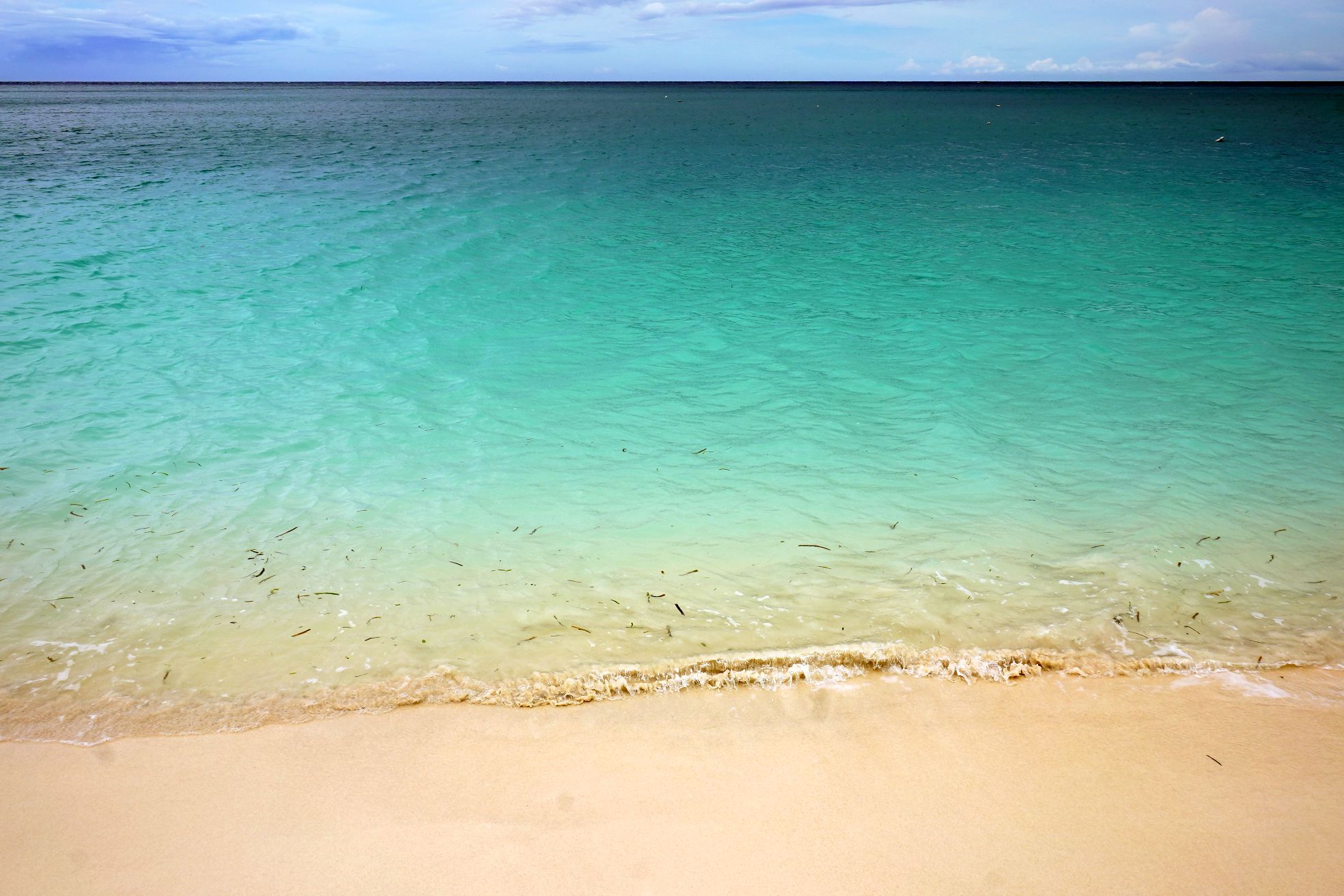
Akrema is home to the island’s only white sand beach, a rather glorious stretch backed by empty fishermen’s huts.


There is a reef here but I only discovered when I went snorkeling that it is a long way out, and I didn’t make it. With the sea conditions there was no visibility anyway. I just had a rather unpleasant splash about before giving up.
It was a relief to get to the homestay to wash, change, and settle in. Only to find after an hour that we were in the wrong homestay! So I had to pack up and relocate, though I was happy with the move. The correct homestay had a mosquito net above the bed, and Duarte, a cousin of the home stay owner was the loveliest guy and spoke excellent English so I could learn about the community. They served coconuts followed by dinner with fresh fish and vegetables.


About 100 people live in Akrema, it is one of the more remote villages in the island. There are no cars and only four motorbikes. They have no electricity (only some solar lighting) and rely on rainwater or bottled water for drinking. A number of years ago an international aid project installed pipes to carry spring water down from the mountains to the village. Rockfall has damaged the pipes though so it no longer works. A classic example of a worthy aid project failing due to a lack of ongoing maintenance and support.
Smart buildings like this are built by the government for people over 60, a small percentage of the population given Timor-Leste’s tragic history.

For the detailed route and logistical information please select this hike below (click top left for the list of hikes).


Leave a Reply