Samoa’s third largest island, Manono, is a beautiful place to visit. Home to less than 900 people, it lies between the two main islands of Upolu and Savai’i, and can easily be reached by a 20 minute boat trip. There are no dogs, and no cars on the island, just four villages connected by a well maintained 6.8km coastal path.
Boats leave from Manono-uta, at the western end of Upolu, further round than Mulifanua where ferries connect the two main islands.


The island was instantly appealing.


Close to the wharf was the first of seven churches on the island, and a memorial to Rev. Peter Turner, the first missionary to arrive.


It taken take long to find the second church, opposite one of a number of abandoned boats around the island.


Volleyball is a popular sport in Samoa.

As is cricket, though to be able to play it on a volcanic and sandy island they’ve had to build concrete bowling and batting strips.

The island path is flat and easy to walk on, but hard work in the heat and humidity, take plenty of water and breaks in the shade!


There are lovely coastal views.


The locals clearly take good care of their homes and villages, with many colourful plants and a near absence of rubbish.


Couple more churches and one of the two schools on the island.


Manono is close to Apolima, Samoa’s fourth (of ten) largest island, and the only other inhabited island, though less than 100 people call it home. It is more difficult to visit than Manono, but can be seen from the ferry travelling between Upolu and Savai’i. The village is on other side of the island than can be seen from Manono.


This idyllic uninhabited tropical island is Nu’ulopa, also known as Bat Island, which apparently has good snorkelling.

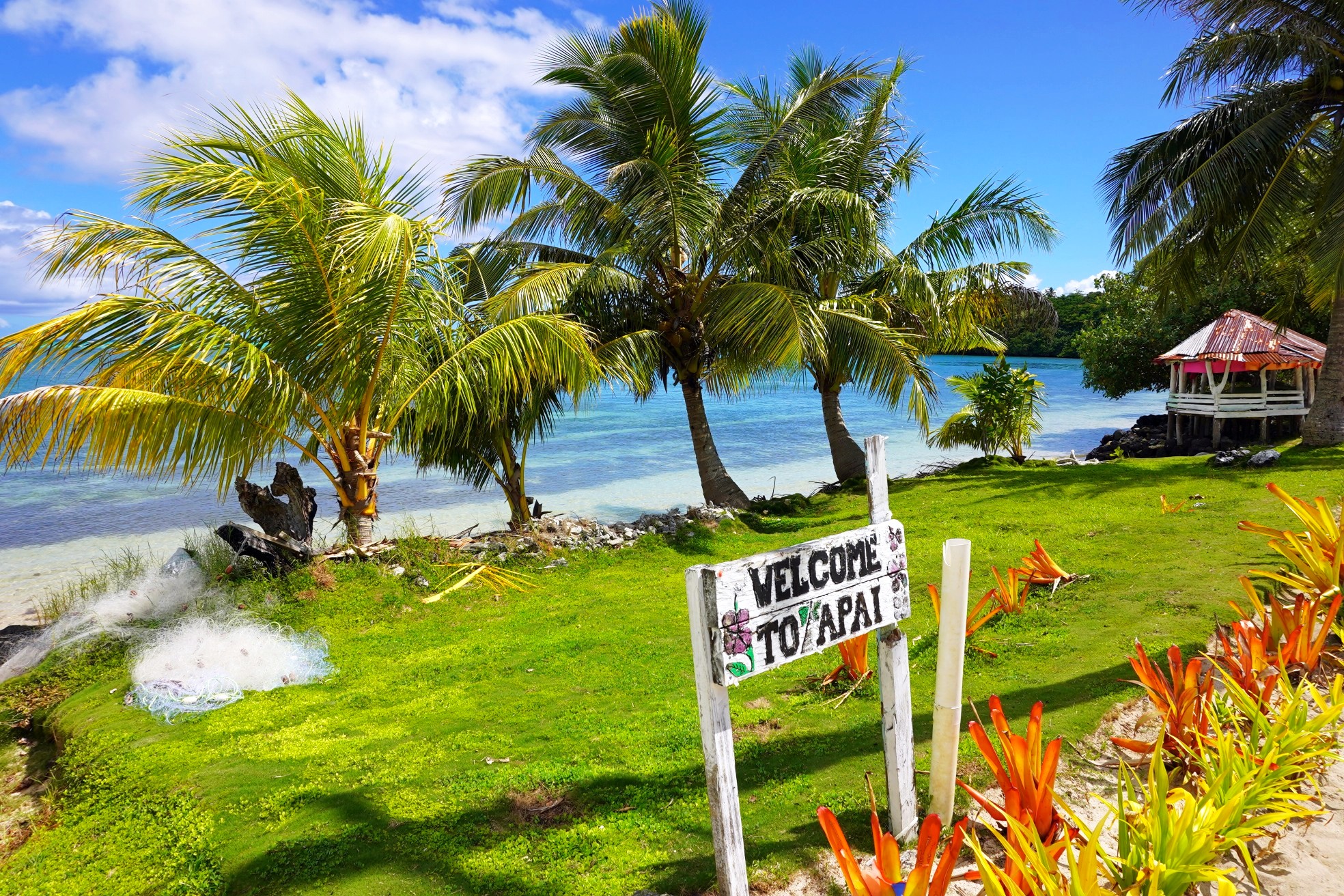
Apai is the best place on the island for a refreshing swim, and was a good lunch spot.


It was also home to my favourite church on the island.


The Grave of 99 Stones belongs to a high priest called Vaovasa who abducted 99 wives from Upolu before being killed trying to reach 100, represented by a gap in the rock structure.


The leaves of a flax like plant is dried to weave into mats.


Final few shots from around the island.


Leave a Reply